
Grok Bots, Main Brains & Agent Teams — with George B. Thomas
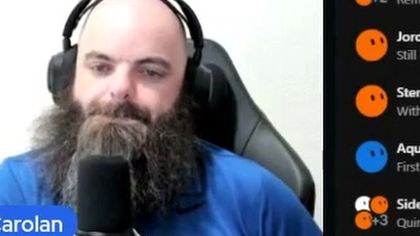
Host: Chris Carolan · Guest: George B. Thomas
August 27, 2026 · 38:33
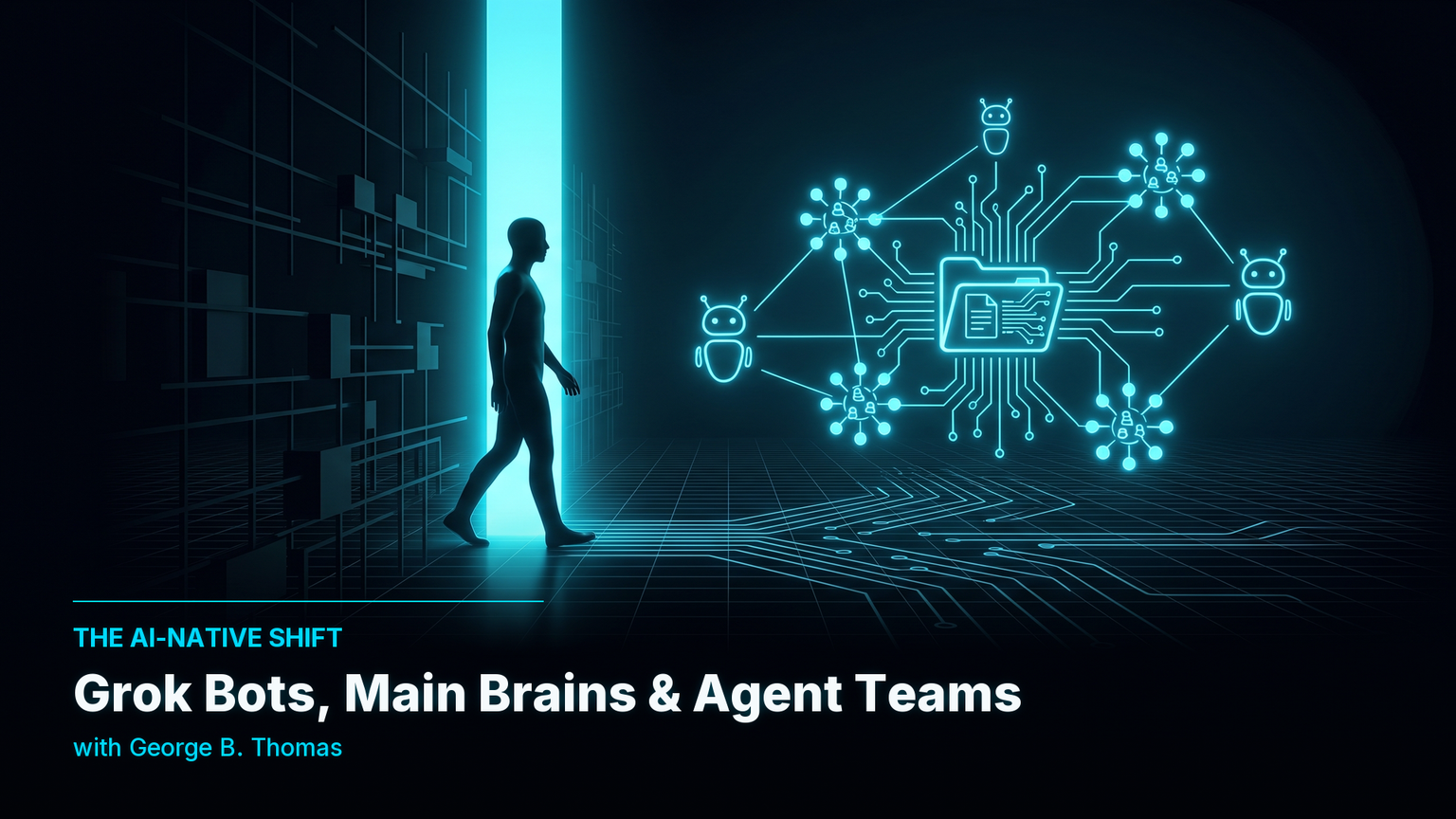
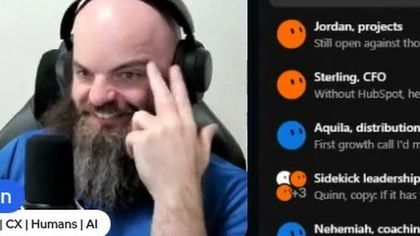
George B. Thomas messaged Chris at 9:30 the night before — you might want to interview me on Grok bots — and by the next afternoon they were live. Five days into the experiment, George has moved his entire main brain — Echo, Casey, Morgan, Ezra, Remi, the whole roster — onto a system where every agent has its own computer, its own browser and its own login. Unrehearsed, on air: he teaches an agent a task by recording his screen, sends his content team off to argue out three angles while he keeps talking, and makes the case that this is two heads instead of one less human.
Moments from this episode
5 short cuts from this conversation.


Key takeaways
The main brain is the asset; the interface is rented. George didn't rebuild anything — he pointed a five-day-old system at his existing agents-and-skills folder and said onboard them. If your work lives in files you own, moving it to whatever comes next is a sentence, not a migration.
Give an agent its own computer and it stops depending on yours. George's late-night question from his phone stalled because his laptop was asleep. Once Casey had her own machine and had pulled ~6,300 HubSpot files onto it, the phone answer got as good as the desk answer.
Teaching beats prompting. Screen-record the click path once and the agent writes its own skill from the recording. The line that says it all comes back from the agent itself: "I do product updates the way you showed me, not the way I guessed."
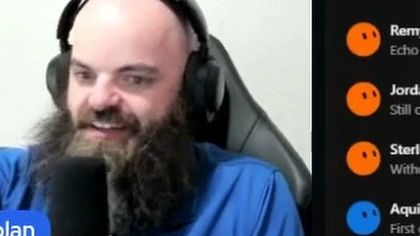
Visibility is a trust surface, not a cosmetic. The same multi-agent work scrolls past in a terminal, but you have to work hard to tell who's saying what to whom. Watching Remi get pulled in and Finch push back is what makes it legible — and, in Chris's words, makes you trust it a little bit more.
Two heads, not one less human. Casey and the humans flagged different HubSpot updates as important, which is the whole point: coverage with context the other one doesn't have, not a replaced person.
Routines that write back are the compounding ones. A daily brief you read is a nice habit. A daily brief that also writes itself into the main brain means the vault and the agent get smarter together — that's the difference between an automation and a growing system.
Say your walls out loud. George couldn't get HubSpot or Zoom plugged in, dropped the screen share to type a password, and doesn't know what model is under the hood. The demo is more credible because none of that got hidden.
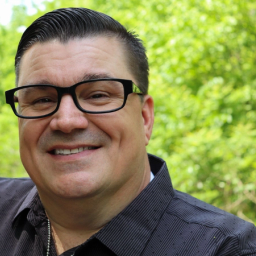
The guest
Keep learning
You just watched the work. Now build it.
The next step is doing it yourself — live, with people on the same path.
One signal-dense note when a new episode lands. No noise.